


Snorkeling in Moalboal Cebu 🐢 Swimming with Sardines & Reluctant Reptiles
There is a particular brand of optimism required when packing a mask, a snorkel, and an unreasonable amount of faith into a flimsy dry bag, knowing full well that your swimming technique resembles an agitated walrus trying to negotiate an exit from a revolving door.
Yet, here we are, bracing ourselves for a plunge into the Central Visayas depths. If you’re hunting for a slice of underwater drama, Moalboal—on the west coast of Cebu in the Philippines—remains an enduring champion.
Let’s walk through how this subterranean circus actually pans out when viewed through eyes that have witnessed one too many travel brochures.
Cebu City Transit 🚌 A Masterclass in Patience
Getting from Cebu City to Moalboal by bus is an exercise in Zen mastery. You spend the first hour just trying to claw your way out of the city limits, watching traffic move at a pace that makes tectonic drift look like a Formula 1 event.
Walking would technically be faster, though considerably more hazardous given the motorized two-wheeled projectiles whizzing past your ears.
Eventually, the urban sprawl surrenders to lush greenery, and you tumble out of a bus into the humid embrace of Moalboal, hastily commissioning a trike driver to navigate the final stretch toward the coast.
By the time you check into your resort you’re already questioning the choices that led you to wear neoprene in tropical heat.
T-Breeze Realities 🌊 Slipping Into the Brine
Moalboal is located on the northern coast of Cebu, looking out towards Negros. We stayed at the T-Breeze Beach Resort, which offers direct access to the sea.
The local resorts offer a decent enough selection of gear for hire—masks, fins, and snorkels for a modest fee per session. You kit up, adjust the silicone mask seal against your face, and shuffle down into the shallows.
Accessing the ocean shouldn’t require a degree in mountaineering, yet here we found ourselves clutching stone steps like shipwreck survivors.


What happens next is a delightful betrayal of expectations. The immediate shoreline teems with enough colorful coral formations and inquisitive small fish to keep you distracted while you figure out how to stop water leaking into your goggles.
And yes, observant swimmers will even spot the occasional striped sea snake undulating past with an air of quiet indifference. It minds its own business; you are advised to return the favor.
The Reef Edge 🕳️ Where the Abyss Stares Back
Paddle out about fifty meters from shore, and you hit the reef edge. This is where things get delightfully weird.
One moment you’re pottering about in sunlit shallows with miniature damselfish; the next, the seabed simply vanishes into an ink-blue abyss.
- The sheer drop-off to the depths is hypnotic and slightly terrifying in equal measure.
- Visibility near the wall remains crisp, though plunging any deeper requires serious nerve—and a decent torch.
- You are genuinely unlucky if you fail to cross paths with a sea turtle grazing nonchalantly on seagrass.

Moalboal – Drop-off from the reef edge
For recording, a simple smartphone tucked inside a waterproof casing does the heavy lifting.
It won’t win any National Geographic awards, but it captures the existential dread of staring down into three thousand feet of open ocean while a green turtle ignores your existence.

Moalboal’s Beautiful coral formations
Pescador Island 🏝️ Boats, Coral & Impatient Plunges
If hugging the mainland coastline feels a bit pedestrian, you can charter a boat for a thirty-minute jaunt out to Pescador Island. This limestone outcrop sitting in the strait between Cebu and Negros is basically an underwater metropolis.
- Expect kaleidoscopic coral gardens that’ll put your living room wallpaper to shame.
- Schools of reef fish dart about like they’re late for a meeting.
- The boat ride itself provides ample opportunity to test your stomach’s tolerance for choppy tropical swells.
It is a bustling spot, meaning you’ll share the underwater real estate with plenty of fellow snorkelers, all trying to capture the exact same selfie with a passing grouper.
Cultivate your inner cynic, float calmly above the commotion, and let the marine spectacle unfold beneath you.

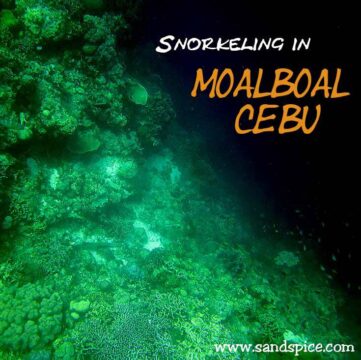
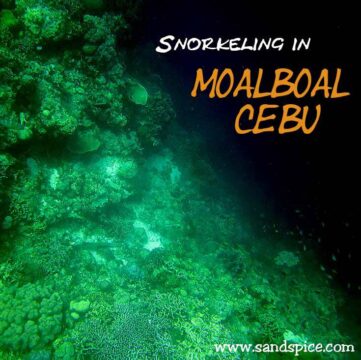
Snorkeling in Moalboal Cebu
The Sardine Run 🐟 Millions of Silver Torpedoes
Then, of course, there is the main event: Panagsama Beach’s legendary permanent sardine swarm.
You don’t even need to take a boat out for this; the millions-strong school hangs out just a short fin-kick offshore, hovering near the drop-off like a shifting, breathing cloud of silver confetti.
Swimming inside the sardine ball is an immersive, slightly surreal experience. The fish move in absolute synchronicity, parting and closing around you with mathematical precision. One moment you’re floating in open water; the next, you’re enveloped in a living, shimmering curtain that blocks out the midday sun.
It is mesmerizing, entirely bonkers, and easily worth enduring every bumpy bus ride and leaky rental mask that got you there.
Afternoon Light ☀️ Why Timing is Everything
Should you snorkel at dawn or dusk?
Experience suggests that the afternoon session beats the morning hands down. As the sun wheels around in the sky, its rays shine back in toward the reef from the open sea, illuminating the water column with crystal clarity.

Much better light in the afternoon
The visibility spikes, the colors pop, and your underwater snapshots actually resemble something other than a murky puddle of soup.
Plus, afternoon swimming leaves the morning free for sleeping off whatever local beverages you sampled the night before.
Our Snorkeling Experiences in Cebu Compared to Bohol
Snorkeling from Isla Hayahay on Pangangan Island in Bohol is less impressive, with lower visibility as well as noticeable damage from recent earthquakes.
In Barangay Magtongtong, on the other side of Pangangan island, we met a Norwegian resident who explained that the snorkeling and diving were much better there, and the underwater quake damage hardly noticeable.
Practical Tips for the Discerning Traveler 📝
To ensure your Moalboal aquatic expedition goes off without a hitch, keep these pointers in mind:
- Hydration & Gear: Bring your own anti-fog solution if you prefer not to use the traditional (and slightly gross) spit-and-rinse method on your rental mask.
- Sun Protection: Coral-safe sunscreen is non-negotiable unless you fancy looking like a boiled lobster by dinner time.
- Financial Reality: Keep spare pesos handy for resort gear hire, environmental fees, and post-snorkel refreshments.
- Dry Bags: Stow your electronics in a reliable roll-top dry bag before boarding any local watercraft.
Moalboal delivers on its aquatic promises with a cheeky wink and a sideways glance from a local turtle. It is messy, vibrant, delightfully unpolished, and entirely unforgettable.
Now, where did we put those dry socks?

If you enjoyed Snorkeling in Cebu, check out our Easy-Access Snorkeling Locations. You may also like:

Spice up your inbox…

… with discounted hotel deals, cost-saving travel itineraries and SandSpice escapades! 😉















2 Comments
Dibyajyoti Mandal
atHi,
Can you guide us with some information? My wife and I will be staying in hotel in Cebu. We wish to travel to Moalboal on rented scooter. After that can we rent snorkeling equipment from a shop? Can we go snorkeling near the coast on our own?
Also will it be better opt for a guided tour for snorkeling?
Thanks,
Dibyajyoti
SandSpice
atThere are dive shops in Moalboal where you can rent snorkeling equipment. Of course you can go snorkeling on your own right off the beach, or hire a boat to take you out to some more remote reefs. You’ll get to see more in a shorter space of time if you take a snorkeling tour.